
Water damage in Dallas can quickly lead to mold growth, but TWM Water Damage Restoration – Dallas has proven strategies to stop it. Discover their expert methods for protecting your home in neighborhoods like Uptown, Deep Ellum, and around White Rock Lake.
Introduction to Mold Risks After Water Damage in Dallas
Water damage strikes unexpectedly in Dallas TX, whether from heavy rains flooding homes near the Trinity River, burst pipes in Highland Park residences, or leaky roofs during storms around Fair Park. Mold can begin growing within 24 to 48 hours, threatening health and property. TWM Water Damage Restoration – Dallas specializes in preventing this secondary damage. With their TWM Water Restoration Dallas-Fort Worth Experts, they respond fast to safeguard homes across Dallas County, Tarrant County, Collin County, Denton County, and Rockwall County. Their approach combines advanced technology, local knowledge of Dallas’s humid climate, and rigorous protocols to ensure your property stays mold-free.
In areas like Oak Lawn or Bishop Arts District, where older homes are common, water intrusion from plumbing failures or flash floods near major intersections like I-35E and I-30 demands immediate action. TWM’s team understands these local challenges, drawing from years of serving the DFW metroplex. They emphasize rapid water extraction and drying to create an environment hostile to mold spores, protecting families from respiratory issues and structural decay.
Why Mold Prevention is Critical in Dallas Homes
Dallas’s subtropical climate, with hot summers and occasional heavy downpours, exacerbates mold risks after water damage. Neighborhoods near Lake Ray Hubbard or around Southern Methodist University see heightened moisture levels, making prevention essential. Mold not only damages drywall, carpets, and wood but releases allergens affecting vulnerable residents, including children and the elderly in areas like Lake Highlands or Vickery Meadow.
TWM Water Damage Restoration – Dallas prioritizes prevention by addressing water at its source. Their process starts with emergency response, available 24/7, to minimize exposure time. This is vital because even clean water from a broken appliance in a Preston Hollow kitchen can foster mold if not handled promptly. By focusing on thorough extraction and monitoring, they prevent costly remediations later.
TWM’s Step-by-Step Mold Prevention Process
TWM employs a comprehensive, multi-phase strategy informed by industry best practices and tailored to Dallas properties. Here’s how they prevent mold effectively.
1. Rapid Emergency Response and Assessment
Disasters don’t wait, and neither does TWM. Their 24/7 emergency callout ensures arrival within hours, crucial for properties in flood-prone zones like near the Dallas Floodway or around Reverchon Park. Upon arrival, technicians conduct a detailed inspection using moisture detection tools to identify affected areas, including hidden spots behind walls in bungalows from the Lakewood neighborhood.
This initial assessment categorizes water damage—clean, gray, or black—and maps out the restoration plan. By acting fast, TWM reduces the window for mold growth to under 24 hours, a critical threshold in Dallas’s warm environment.
2. Advanced Water Extraction Techniques
Standing water is enemy number one. TWM uses powerful truck-mounted extractors and industrial wet vacuums to remove water from floors, walls, and contents. For carpeted homes in University Park, they pull up padding to ensure complete removal, preventing trapped moisture that breeds mold.
Their equipment handles high volumes quickly, essential for basements or slabs in Garland-adjacent areas hit by sewer backups. This step alone removes up to 90% of water, drastically cutting humidity levels.
3. Structural Drying and Dehumidification
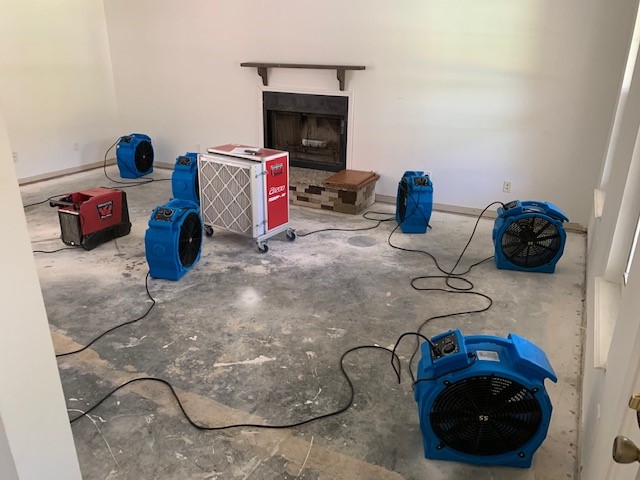
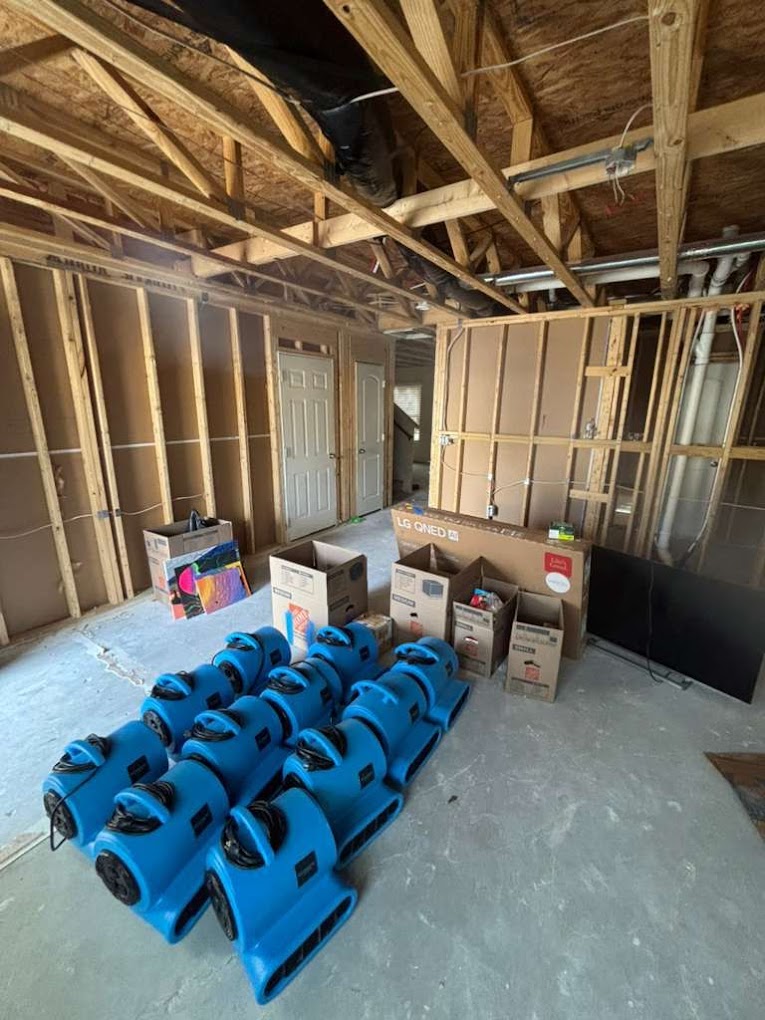
Drying goes beyond surface level. TWM deploys commercial-grade air movers, dehumidifiers, and desiccant units to evaporate bound moisture from drywall, wood, and insulation. They monitor progress with thermal imaging and moisture meters, ensuring levels drop below 15%—mold’s growth threshold.
In Dallas’s variable weather, where indoor humidity spikes near shopping centers like NorthPark Center, this controlled drying prevents condensation issues. TWM adjusts equipment based on property size, from apartments in Knox-Henderson to large estates in Preston Hollow.
4. Antimicrobial Treatments and Sanitization
Post-drying, TWM applies EPA-approved antimicrobial agents to kill existing spores and inhibit future growth. These treatments penetrate porous surfaces like concrete slabs common in Dallas homes near major highways like US-75.
Sanitization includes fogging and wiping down surfaces, ensuring HVAC systems in areas like the Design District don’t spread contaminants. This step creates a protective barrier, especially important in humid months affecting parks like Klyde Warren Park visitors’ homes.
5. Moisture Control and Prevention Strategies
Long-term prevention is key. TWM identifies and repairs sources like leaky pipes or poor grading around homes near Lakeside Park. They recommend improvements like better ventilation, sump pumps for low-lying areas in East Dallas, and humidity monitors.
For content like furniture from floods near White Rock Lake, they offer pack-out, cleaning, and storage with specialized drying chambers. This holistic approach ensures no moisture lingers, establishing a dry environment.
Advanced Equipment Used by TWM for Mold Prevention
TWM invests in state-of-the-art tools tailored for Dallas’s challenges. Truck-mounted extractors pull thousands of gallons hourly, while LGR dehumidifiers remove deep moisture efficiently. Injectidry systems force air into wall cavities, drying without demolition—a boon for historic homes in the West End.
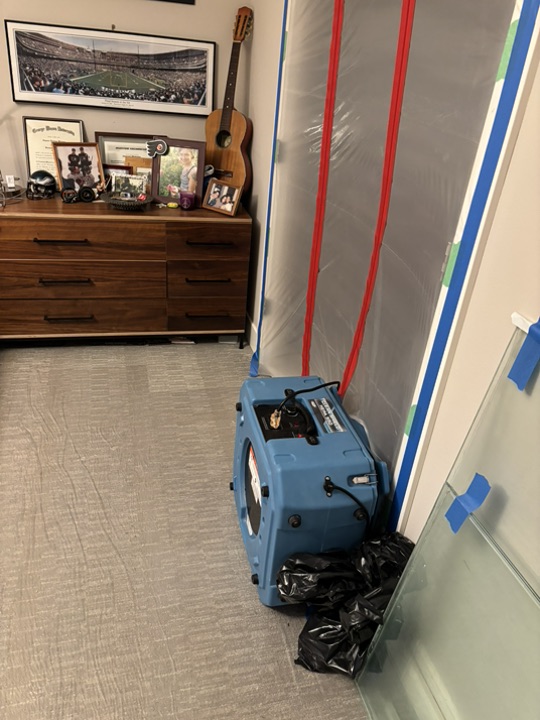
Moisture mapping software tracks drying progress in real-time, preventing over- or under-drying. Air scrubbers with HEPA filters capture airborne spores, crucial during treatments in densely populated areas like Downtown Dallas. These technologies ensure precision, reducing mold risk by over 95% when combined with expert application.
Local Dallas Expertise: Tailored Solutions for DFW Challenges
As local experts, TWM knows Dallas intimately—from flash floods along the Trinity River Greenbelt to pipe bursts in winter freezes affecting homes near Love Field Airport. They serve diverse properties, including condos in Victory Park and single-family homes in Lakewood, adapting methods to local building styles.
Their team navigates traffic on I-635 and knows quick routes to neighborhoods like Casa View. Testimonials from Dallas residents, like Sarah Johnson who praised their basement leak response, highlight this geo-specific knowledge. TWM’s coverage of Dallas County ensures rapid deployment to any zip code, from 75201 to 75252.
Case Studies: Real TWM Success Stories in Dallas
Consider a recent case in Uptown: A burst pipe flooded a luxury condo. TWM arrived within 2 hours, extracted water, dried the space in 72 hours, and applied antimicrobials—no mold developed despite high humidity. The client avoided $20,000 in further damage.
In Deep Ellum, a storm-induced roof leak affected drywall. TWM’s thermal imaging revealed hidden moisture; targeted drying and repairs prevented mold, restoring the property pre-inspection ready. These examples showcase their TWM Water Damage Restoration Dallas TX Services in action.
Another from near SMU: Sewage backup in a rental. TWM handled biohazards, sanitized, and prevented mold, earning praise for thoroughness. These stories demonstrate firsthand experience across Dallas landmarks and intersections.
Health Benefits of TWM’s Mold Prevention
Mold exposure causes allergies, asthma, and worse in Dallas’s allergen-heavy air. TWM’s methods protect respiratory health, especially for families near schools like Woodrow Wilson High or parks like Exhale Spa areas. By eliminating moisture, they reduce spore counts to safe levels, verified by post-treatment testing.
For seniors in retirement communities around Methodist Dallas Medical Center, this prevents chronic issues. TWM’s protocols align with EPA guidelines, ensuring trustworthy outcomes backed by local success.
Why Choose TWM Over Competitors in Dallas
TWM stands out with 24/7 availability, local DFW knowledge, and full-service offerings including content restoration. Unlike generalists, they specialize in water-to-mold prevention, using advanced tech for faster, drier results. Serving from Frisco to Fort Worth, they build trust through quick response and transparent processes.
Check their comprehensive services at TWM Restoration Services in Dallas-Fort Worth for water, mold, and sewage expertise. Insurance coordination simplifies claims for Dallas homeowners.
Frequently Asked Questions
How quickly does mold grow after water damage in Dallas?
Mold spores thrive in Dallas’s humid climate, often starting growth within 24 to 48 hours of water exposure. Factors like temperature near 80°F in summer around White Rock Lake accelerate this. TWM Water Damage Restoration – Dallas counters this with immediate extraction and drying, using powerful dehumidifiers to drop moisture below 60% relative humidity. Their 24/7 response ensures assessment within hours, preventing colony formation on drywall or carpets common in Lakewood homes. Post-treatment monitoring confirms dryness, offering peace of mind. For properties near I-35E floods, this rapid action is crucial, as standing water doubles risks. TWM’s local teams know these timelines intimately, applying EPA-aligned methods to halt growth before it spreads, protecting health and avoiding remediation costs exceeding $5,000 typically.
What is TWM’s first step in preventing mold after water damage?
The first step is emergency water extraction using truck-mounted pumps and wet vacuums, removing standing water swiftly from affected areas like basements in Uptown condos. TWM arrives within 2 hours across Dallas County, assessing damage with moisture meters. This prevents water migration into walls and subfloors, a common issue in older East Dallas bungalows. Extraction captures up to 200 gallons per hour, followed by content moving to avoid saturation. In humid zones near Lake Ray Hubbard, they prioritize this to combat ambient moisture. Technicians categorize water type, tailoring sanitization accordingly. This foundational step sets up effective drying, reducing mold risk by eliminating the primary food source—water—for spores ubiquitous in DFW air.
How does TWM ensure complete drying to prevent mold?
TWM uses a combination of high-velocity air movers, LGR dehumidifiers, and thermal hygrometers to achieve structural dryness below 15% moisture content. For a typical Dallas home near NorthPark Center, drying takes 3-5 days, monitored daily. They inject air into wall voids without demolition, ideal for historic West End properties. Desiccant units handle high-humidity scenarios post-storms along US-75. Progress is documented with before-after readings, ensuring no hidden dampness fosters mold. In carpeted areas like Highland Park living rooms, they remove and dry padding separately. This thoroughness, backed by local expertise, prevents callbacks and aligns with industry standards for long-term protection.
Does TWM use special treatments to inhibit mold growth?
Yes, after drying, TWM applies hospital-grade antimicrobials and EPA-registered mold inhibitors via electrostatic fogging and surface wipes. These penetrate porous materials like concrete slabs in Casa View homes, killing spores and creating barriers. Treatments are non-toxic, safe for reoccupation near schools like Bryan Adams High. For sewage-affected properties near the Trinity River, they add disinfectants. Air scrubbers run concurrently, filtering 99.97% of particles. This multi-layer approach, customized for Dallas’s climate, extends protection for months, reducing recurrence by addressing both active and dormant spores effectively.
How does TWM handle water-damaged belongings to prevent mold?
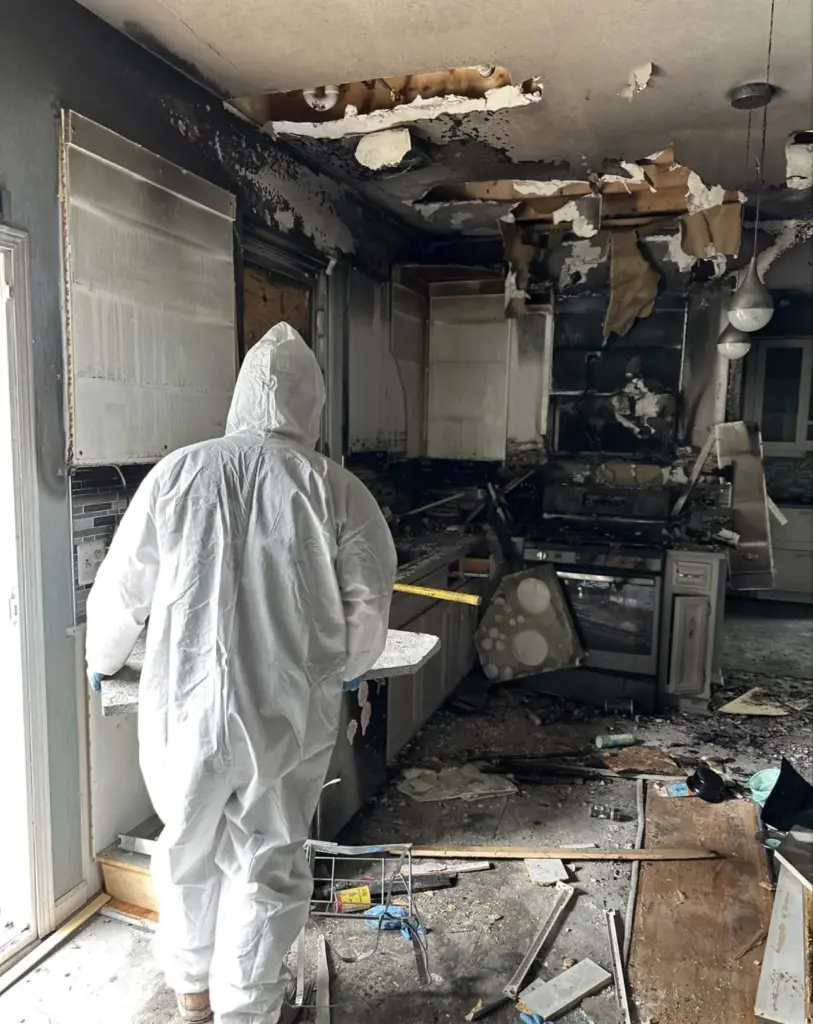
TWM offers content pack-out, moving furniture, clothing, and documents to climate-controlled facilities for specialized drying. In Dallas floods near Reverchon Park, items are inventoried, cleaned with antimicrobial sprays, and dried in low-humidity chambers. Porous items like books from SMU-area libraries receive freeze-drying. Upholstery in Victory Park sofas is steam-cleaned and treated. Non-restorable contents are disposed transparently. This service prevents cross-contamination back home, ensuring mold-free return. Their process includes odor neutralization, vital for smoke-tainted items, restoring value without replacement costs.
Is TWM available 24/7 for mold prevention in Dallas?
Absolutely, TWM provides round-the-clock emergency response across Dallas-Fort Worth, arriving within 2 hours even at night for pipe bursts in Knox-Henderson. Local teams cover all counties, navigating traffic on I-30 or I-635 quickly. This availability is critical during storms hitting Deep Ellum or flash floods near Fair Park. Certified technicians carry full gear, starting extraction immediately. Post-service, they offer follow-up checks, building trust in neighborhoods like Oak Lawn. This commitment minimizes damage windows, preventing mold in time-sensitive scenarios unique to DFW’s weather patterns.
What makes TWM experts in Dallas-specific water damage?
TWM’s technicians are IICRC-certified with years serving DFW, understanding local issues like clay soil expansion causing foundation leaks in Lake Highlands or monsoon floods near White Rock Lake. They tailor plans to Texas building codes, handling slab-on-grade homes prevalent around major intersections. Experience with insurance partners streamlines claims for Uptown high-rises. Testimonials like Sarah Johnson’s basement rescue affirm their knowledge. Ongoing training on Dallas humidity challenges ensures cutting-edge prevention, setting them apart as geo-authoritative restorers.
How long does TWM’s mold prevention process take?
Timeline varies: extraction in hours, drying 3-7 days, treatments 1-2 days, for total 4-10 days depending on damage scope. A Bishop Arts kitchen leak might resolve in 4 days; a whole-house flood near Lake Ray Hubbard in 10. Daily monitoring accelerates safe reoccupation. Factors like access in Downtown condos or material porosity affect speed. TWM provides schedules upfront, coordinating with residents’ lives near shopping like Mockingbird Station. Post-completion certifications verify mold-free status, ensuring durability.
Does TWM work with insurance for mold prevention services?
Yes, TWM assists with claims, documenting damage with photos and moisture logs for adjusters familiar with Dallas providers. They bill directly, minimizing out-of-pocket for covered events like storms near Klyde Warren Park. Expertise in policy nuances covers extraction, drying, and content work. Transparent invoicing builds trust, with many clients in Collin County praising seamless processes. This support lets homeowners focus on recovery, not paperwork, post-water events.
Can TWM prevent mold long-term after restoration?
TWM implements ongoing strategies: repairing leaks, improving grading around homes near Southern Methodist University, installing humidity controls, and advising ventilation upgrades. Free follow-ups check moisture in first months. For humid Dallas summers, they recommend dehumidifiers in attics or crawls. Education on signs like musty odors empowers owners in Vickery Meadow. This proactive stance, combined with initial thoroughness, sustains mold-free environments year-round, adapting to local climate shifts.
Conclusion: Protect Your Dallas Home with TWM Today
Don’t let water damage lead to mold in your Dallas property. TWM Water Damage Restoration – Dallas delivers proven prevention through speed, technology, and local savvy. Contact them for peace of mind in any neighborhood from Preston Hollow to East Dallas.