


TWM Water Restoration of Dallas

Water damage is one of the most unpredictable and expensive problems a property owner can face, and for homeowners in Dallas TX, the risks are even higher. Most people picture water damage as something dramatic, like a burst pipe or a flooded bathroom, but the truth is far more complicated. In North Texas, unique weather patterns, soil conditions, and structural layouts create the perfect environment for water to spread quickly and silently. By the time the damage is visible, the water has usually already traveled far beyond the point where it entered.


Understanding why water damage moves so rapidly in Dallas homes gives homeowners an advantage. Recognizing the warning signs early, knowing what causes the spread, and responding quickly can make the difference between a simple cleanup and a major restoration project. Below is a detailed look into why Dallas properties are particularly vulnerable and how fast action can protect your home.


1. North Texas Weather Makes Moisture Spread Faster

Dallas sits in a region known for sharp weather swings, heavy rainstorms, and sudden temperature changes. These conditions alone make homes more susceptible to water intrusion. When heavy rain hits North Texas, aging roofs, window seals, and flashing can allow water to slip inside. Even small gaps or tiny cracks in siding or brick can pull moisture in during storms.


Another challenge is humidity. Dallas experiences high humidity for much of the year, and moisture in the air can slow evaporation inside a home. When excess humidity meets water intrusion, surfaces stay wet longer, giving water more time to travel into subflooring, drywall, and insulation. This creates conditions where water doesn’t just spread but lingers, increasing the chances of mold growth and deeper structural issues.


2. Slab Foundations Allow Water to Travel Without Being Seen

Most homes in Dallas are built on slab foundations instead of basements. While this foundation type is common across Texas, it creates unique challenges for water damage restoration. Slab foundations sit directly on the soil with very little space between the ground and the structure. When water leaks beneath flooring or plumbing lines that run through the slab, it can migrate sideways underneath the surface.


Because homeowners can’t see beneath a slab, water can spread unnoticed for days or even weeks. A small leak from a kitchen line or bathroom pipe can move across several rooms beneath the flooring before showing signs on the surface. By the time visible damage appears, the affected area is often much larger than expected, and the moisture may have already begun affecting the foundation or interior framing.


3. Clay Soil Around Dallas Homes Worsens Water Movement

Another factor many homeowners never consider is the soil type beneath their property. Much of Dallas is built on clay-based soil, which expands when wet and contracts when dry. After heavy rainfall or plumbing leaks, this soil can push water upward toward a home’s foundation or cause foundation shifting that opens small pathways for water to enter.


When water leaks into the soil around the home, the clay can hold moisture for long periods. This extended contact increases the chances of moisture entering through tiny cracks or foundation imperfections. Once water gets inside, the same expanding and contracting soil can cause the water to spread unpredictably, making the damage harder to detect early.


4. HVAC Systems and Ductwork Can Pull Moisture Through the Home

Dallas homes rely heavily on air conditioning for most of the year. While HVAC systems are essential, they can also unintentionally spread moisture. Condensation lines, AC drip pans, and attic units are all common sources of water leaks in Texas homes. If the system has a blockage or an overflowing drip pan, water can seep into insulation or framing.


Worse, the movement of air through ducts can help moisture travel farther. When humidity mixes with cooler air from the HVAC system, condensation can collect in hidden areas, creating ideal conditions for moisture to accumulate. Even a small leak or neglected maintenance issue can allow water to spread throughout the structure far more quickly than expected.


5. Open-Concept Floor Plans Allow Water to Move Quickly

Many modern Dallas homes feature open floor plans with wide rooms and fewer interior walls. While this design is visually appealing, it also makes it easier for water to spread across large areas. Without walls or barriers to slow its movement, water can travel freely across flooring, under baseboards, and into connected rooms.


Carpeted areas are particularly vulnerable. Once carpet padding absorbs moisture, it acts like a sponge, pulling water outward. Wood flooring is equally at risk, as water can seep into the grooves and travel beneath planks. The larger the open area, the faster the spread, and the more complicated the drying process becomes.


6. Hidden Moisture Creates Delayed and Often Severe Damage

One of the biggest challenges in Dallas water damage restoration is the presence of hidden moisture. Water doesn’t stay on the surface. It moves downward, sideways, and behind materials. Drywall, insulation, and subflooring absorb water quickly, often before homeowners realize the extent of the problem.


Hidden moisture is dangerous because it leads to delayed discovery. By the time discoloration, warping, or musty odors appear, the moisture has already affected a much wider area. This increases the complexity of restoration, the time required to dry the property, and the risk of long term structural or air quality issues.


Professional restoration teams use moisture meters, thermal imaging cameras, and specialized equipment to detect water in hidden areas. These tools are essential in Dallas homes because of how easily moisture can move through building materials and how unpredictable the spread can be beneath slab foundations.


7. Mold Growth Begins Quickly in North Texas Conditions

Dallas humidity makes the environment ideal for mold growth. Mold can begin forming within twenty four to forty eight hours of water exposure, especially when moisture is trapped behind walls, under flooring, or in warm, enclosed spaces like attics and closets. Because water spreads quickly in Dallas homes, mold growth often begins in areas homeowners don’t immediately check.


Once mold takes hold, it spreads rapidly through porous materials such as drywall, insulation, carpet, and wood framing. Mold growth increases restoration costs significantly and poses health risks if not addressed fully. Professional drying and mold prevention are crucial in Dallas water damage restoration to ensure the home is safe and free from contamination.


8. Fast Action Is the Key to Preventing Widespread Damage

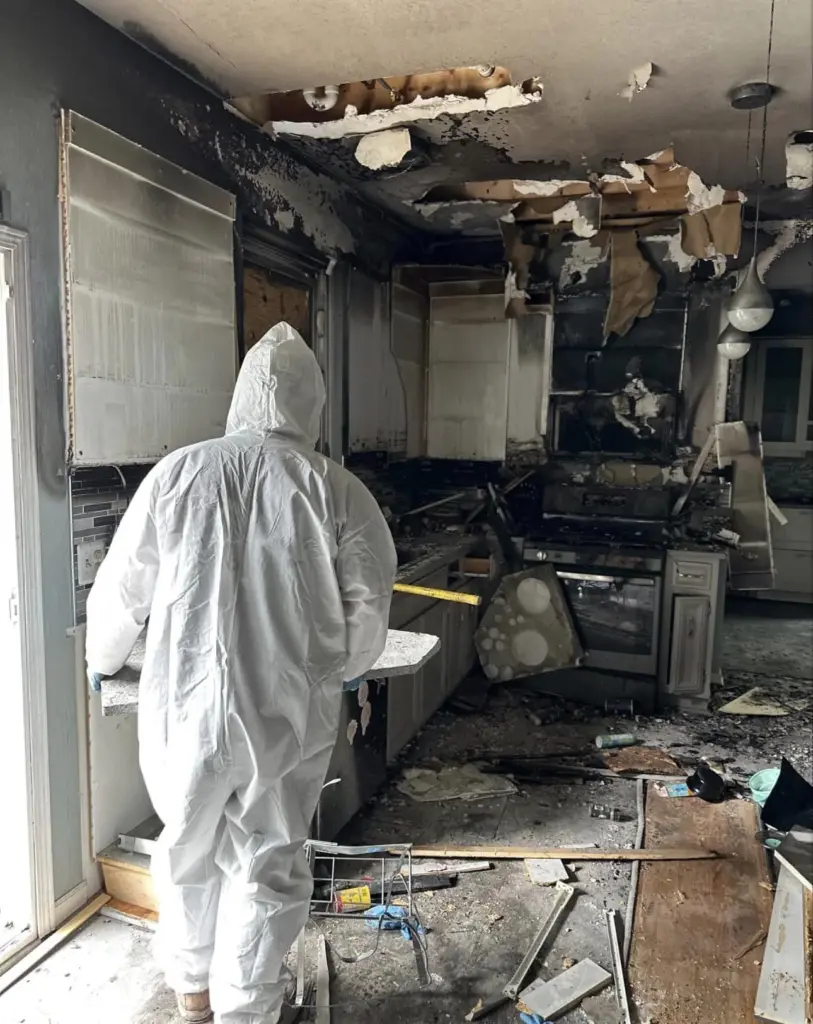
Given all the ways water moves through Dallas homes, the most important factor is how quickly a homeowner responds. Immediate water extraction and drying keep the problem contained and prevent further damage. Delays—whether caused by uncertainty, DIY attempts, or simply not noticing the issue—allow water to spread deeper and faster.


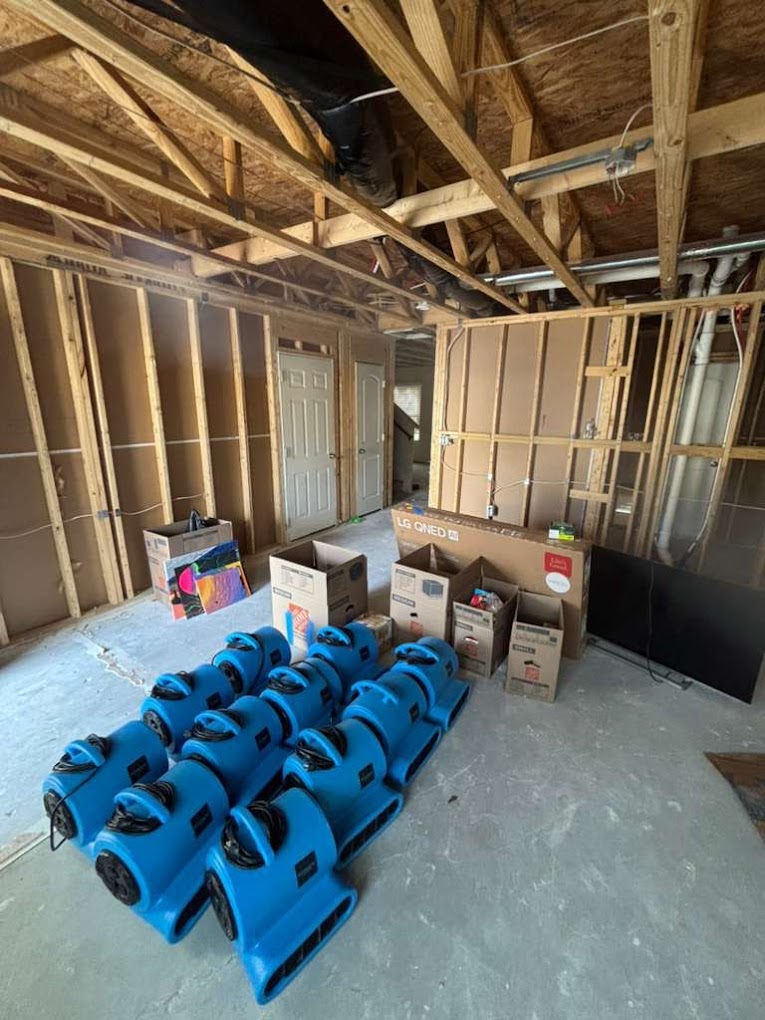
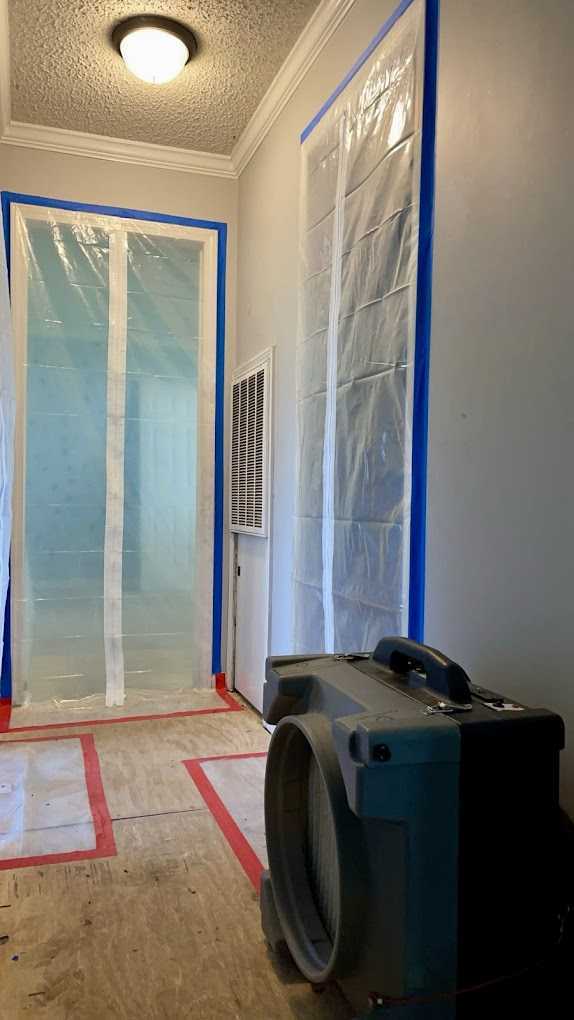
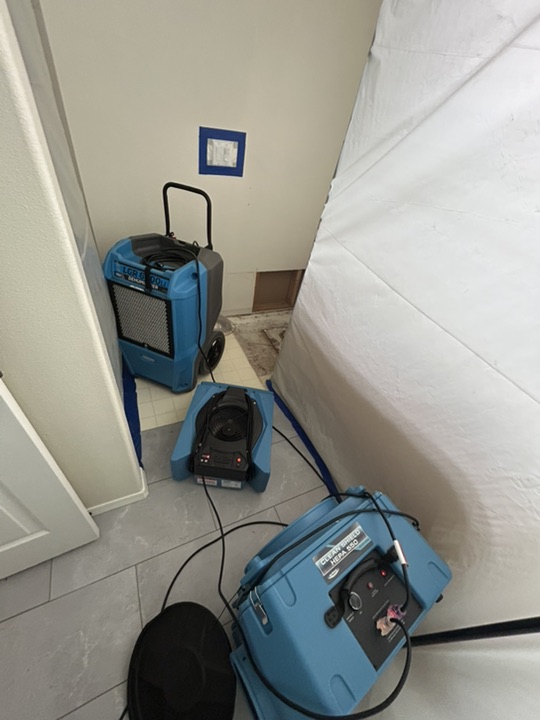
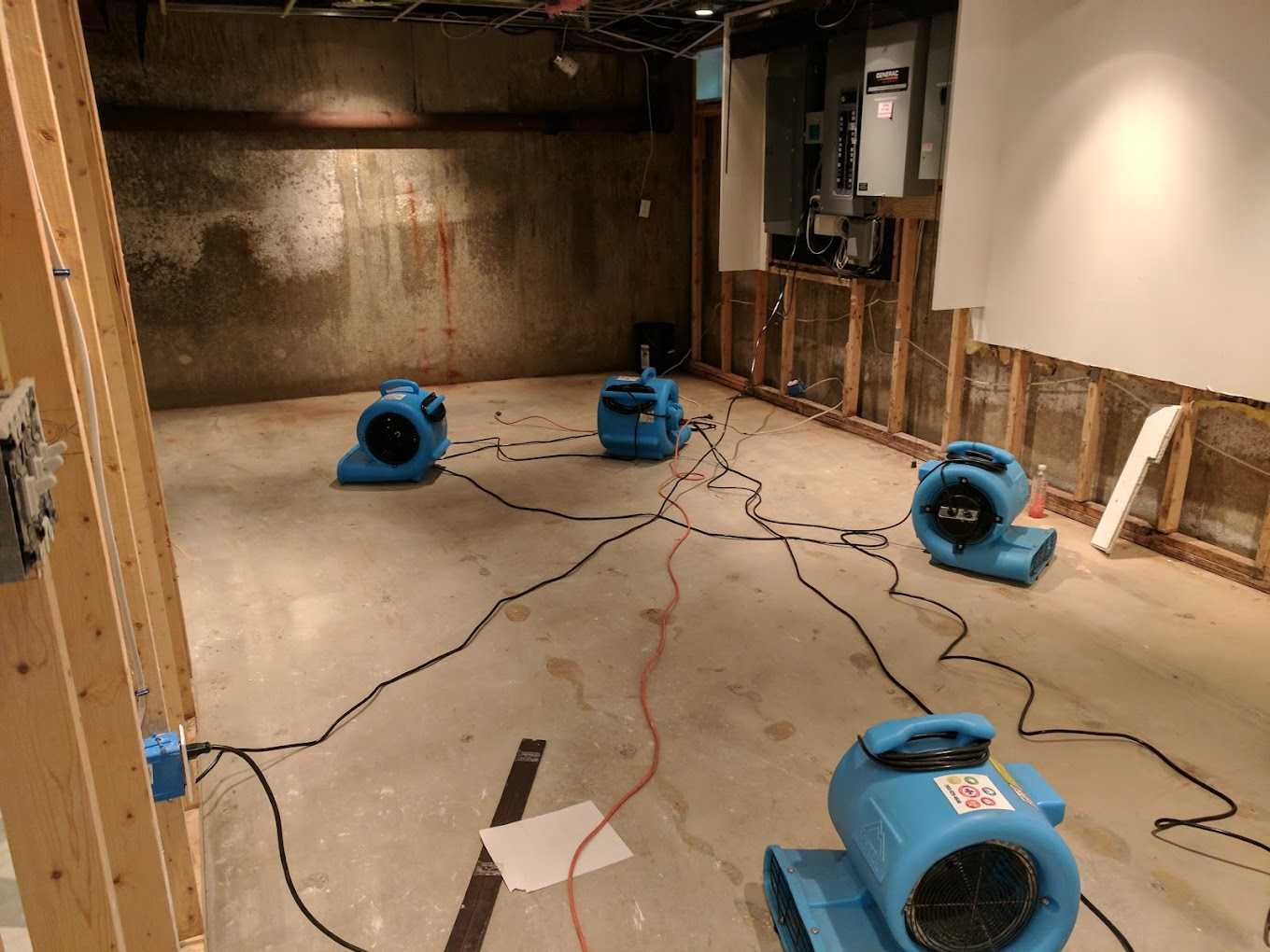
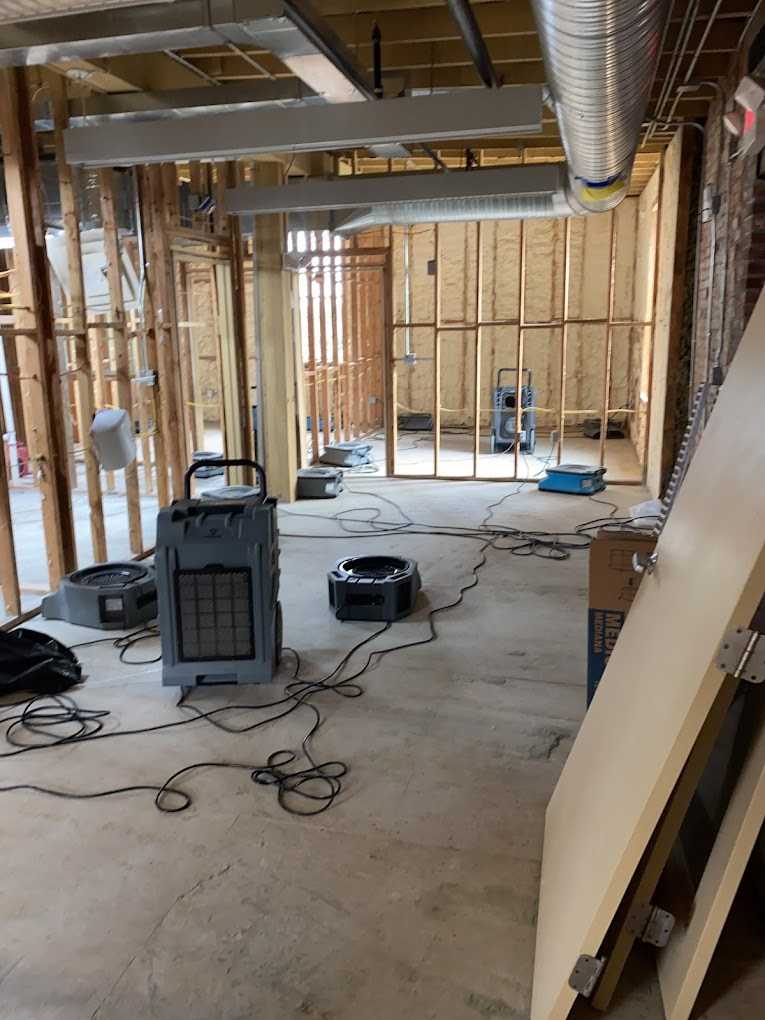
Professional water damage restoration teams have the tools, experience, and techniques needed to control the damage early. High powered extraction, industrial drying equipment, moisture tracking, and structural stabilization all play a role in preventing long term issues.


Final Thoughts

Water damage spreads faster in Dallas homes than many homeowners realize. Weather patterns, humidity, soil conditions, slab foundations, HVAC systems, and open floor plans all combine to create an environment where moisture moves rapidly and silently. Understanding these risks empowers homeowners to respond quickly and protect their property.

The sooner water damage restoration begins, the better the outcome. Fast action limits structural issues, prevents mold growth, and keeps repair costs down. In a city like Dallas TX, where moisture can travel far and fast, quick professional intervention is the most important step a homeowner can take.

Facebook
Twitter
LinkedIn

More Blogs