Water damage does not wait. In a place like Houston, TX where heat and humidity are constant factors, moisture moves faster than most homeowners expect. What starts as a small leak or minor intrusion can quickly turn into widespread structural damage if it is not handled properly. The biggest mistake people make is assuming that if the water is no longer visible, the problem is gone. In reality, that is usually when the real damage begins.
The first hour after water enters a property is critical. During this stage, water begins to absorb into porous materials such as drywall, wood, and flooring. Carpets soak it up almost immediately, and padding underneath acts like a sponge that holds moisture in place. Even hard surfaces are not safe. Water can seep through seams, cracks, and edges, reaching areas that are not visible from the surface. At this point, the damage may still look manageable, but the spread has already started.
Within the first few hours, water continues to move deeper into the structure. It travels along framing, under flooring, and behind walls. In Houston homes, where air moisture levels are already high, materials do not dry out naturally at a fast rate. Instead, they hold onto that moisture, creating the perfect environment for further damage. Paint may begin to bubble, wood may start to swell, and adhesives can weaken. These are early warning signs that the water is not just sitting on the surface anymore.
After twenty four hours, the situation becomes more serious. Materials that have absorbed water begin to break down. Drywall softens and loses its structural integrity. Wood can start to warp or expand, affecting flooring and framing. At the same time, bacteria and contaminants in the water begin to spread. Even clean water can become unsafe as it sits and interacts with building materials. This is also when the risk of mold growth starts to increase, especially in hidden areas where moisture is trapped.
By the second or third day, the damage becomes more visible and more expensive to repair. Musty odors often develop, signaling that moisture is still present. Flooring may begin to buckle, and walls can feel soft or unstable. In humid environments like Houston, this stage happens faster than in drier regions. The combination of trapped moisture and warm temperatures accelerates deterioration. What could have been handled with basic drying now requires more extensive restoration work.
One of the most overlooked aspects of water damage is how it spreads behind the scenes. Homeowners often focus on what they can see, such as a wet carpet or a stained ceiling, but the real problem is usually hidden. Water travels downward and outward, following gravity and the path of least resistance. It can move under baseboards, into insulation, and through structural components without any obvious signs at first. By the time visible damage appears, the affected area is often much larger than expected.
Another issue people miss is the role of humidity. Houston is known for its heavy, moisture filled air, and that plays a major role in how water damage behaves. Even after standing water is removed, high humidity levels can slow down the drying process. Materials remain damp longer, which increases the risk of mold and long term damage. Without proper equipment and controlled drying conditions, it is difficult to fully remove that moisture from the structure.
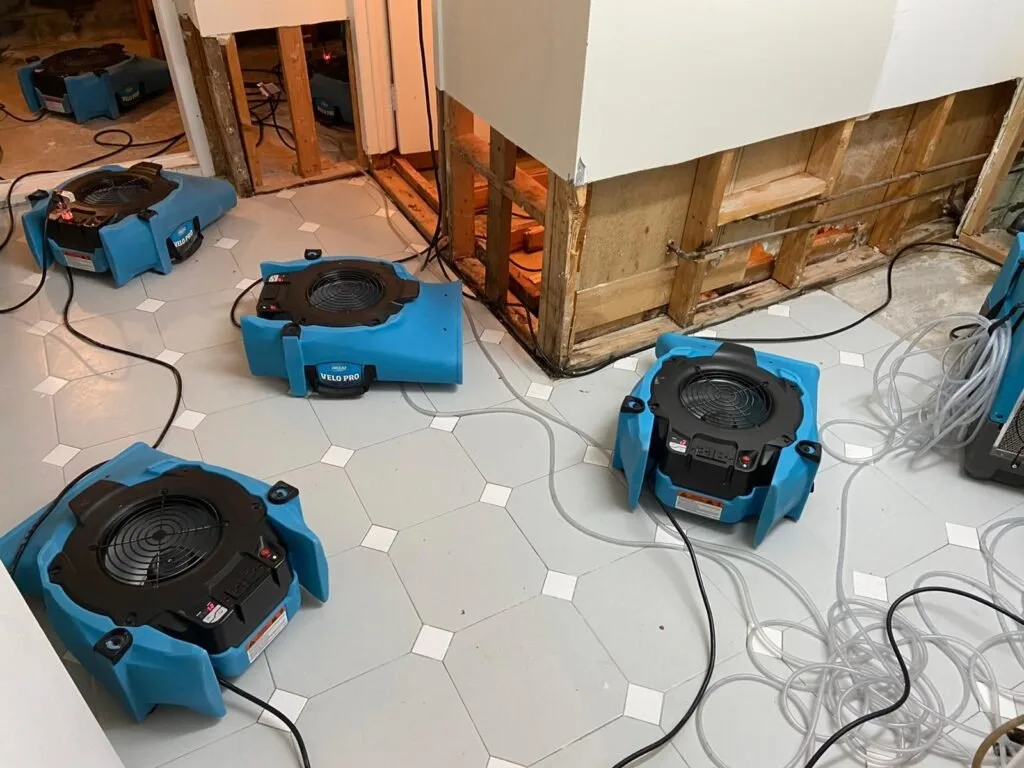
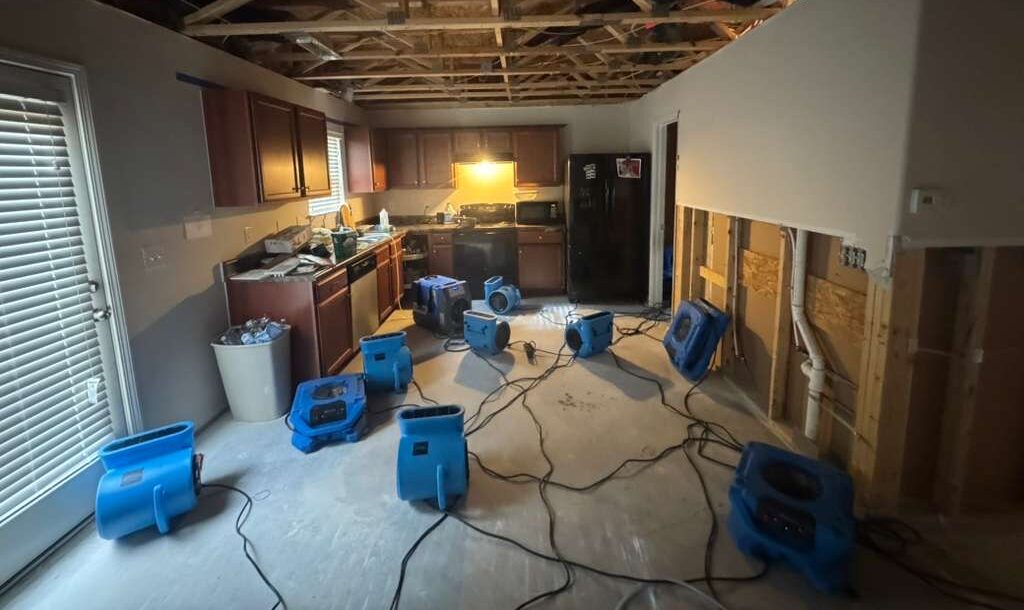
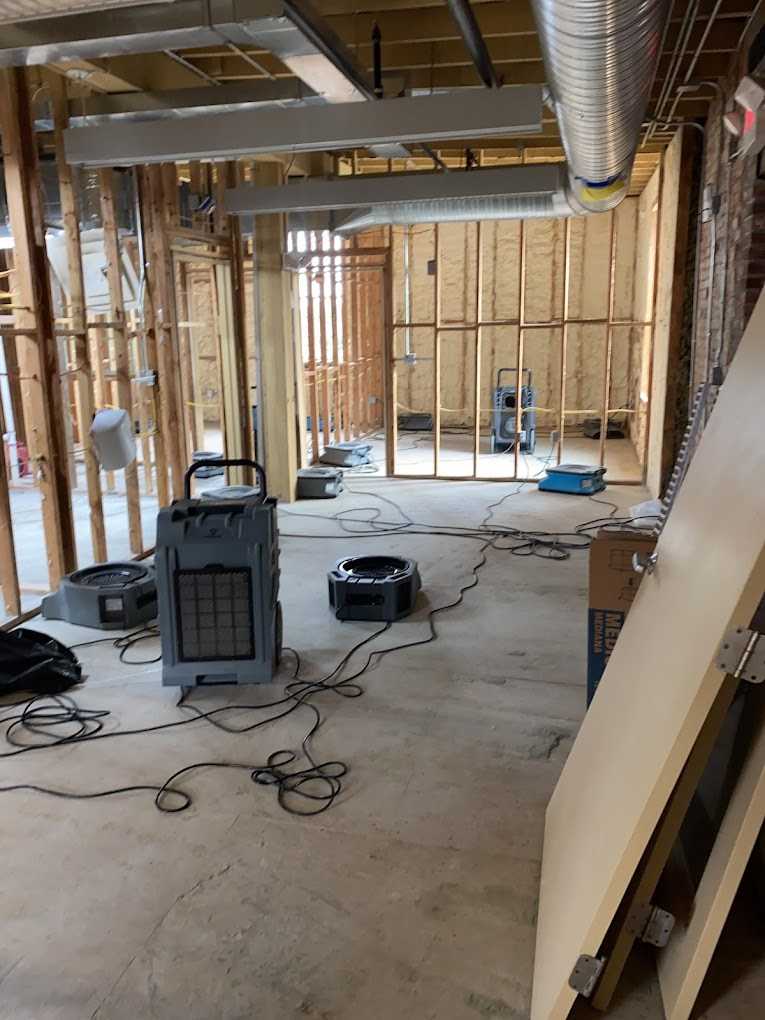
Many homeowners also underestimate the importance of proper drying techniques. Using fans or opening windows may seem like enough, but these methods rarely reach the areas where moisture is trapped. Professional drying equipment is designed to pull moisture out of materials, not just dry the air. Moisture meters and thermal imaging tools are used to detect hidden water so that it can be addressed directly. Without this level of detail, moisture can remain inside walls and flooring, leading to ongoing issues.
The longer water damage is left untreated, the more complicated the restoration process becomes. What starts as a simple cleanup can turn into a full reconstruction project. Materials that could have been saved may need to be removed and replaced. Structural components can weaken, and indoor air quality can decline. Odors can become persistent, and mold can spread beyond the original affected area. All of this increases both the cost and the time required to restore the property.
Another factor that often gets ignored is how water damage affects different materials in different ways. Wood absorbs and holds moisture, which can lead to warping and long term instability. Drywall breaks down quickly when saturated and often needs to be removed if not dried in time. Insulation can trap moisture and lose its effectiveness, creating hidden pockets of dampness that are difficult to detect. Each material reacts differently, which is why a thorough and methodical approach is necessary.
Speed matters, but so does doing the job correctly. Rushing through the process or skipping steps can leave behind moisture that causes problems later. Proper restoration involves more than just removing water. It requires a full understanding of how moisture behaves within a structure and how to eliminate it completely. This includes monitoring moisture levels throughout the process to ensure that everything is fully dry before repairs are completed.
What most people miss is that water damage is not just about what happens in the moment. It is about what continues to happen if it is not addressed properly. Damage spreads quietly, often out of sight, and can affect areas that seem completely unrelated to the original source. By the time the signs become obvious, the problem has usually grown beyond a quick fix.
The takeaway is simple. Water damage moves fast, especially in Houston, TX where environmental conditions make it easier for moisture to spread and harder for it to dry. Acting quickly can limit the damage, but only if the response is thorough and done correctly. Waiting or relying on surface level fixes allows the problem to grow and creates more work in the long run.
Understanding how water damage spreads helps homeowners make better decisions when it happens. The sooner the issue is addressed with proper extraction, drying, and monitoring, the better the outcome will be. It is not just about cleaning up water. It is about protecting the structure, preserving materials, and making sure the problem does not come back later in a more expensive and complicated form.