Water damage is one of those problems that looks manageable at first and then quietly drains your wallet if you get it wrong. In Houston, TX, where storms, humidity, and aging plumbing all collide, the cost of water damage can vary wildly depending on how fast you act and how well the problem is handled. What most homeowners do not realize is that the real cost is not just the cleanup. It is everything that happens when damage spreads, materials break down, and moisture is left behind.
The cost of water damage usually starts small. A minor leak under a sink or a small pipe issue might seem like an easy fix. At this stage, you might only be dealing with a bit of water removal and light drying. The problem is that even a small amount of water can move into flooring, cabinets, and walls without being obvious. If it is not fully dried, that small issue can turn into something much bigger within a matter of days.
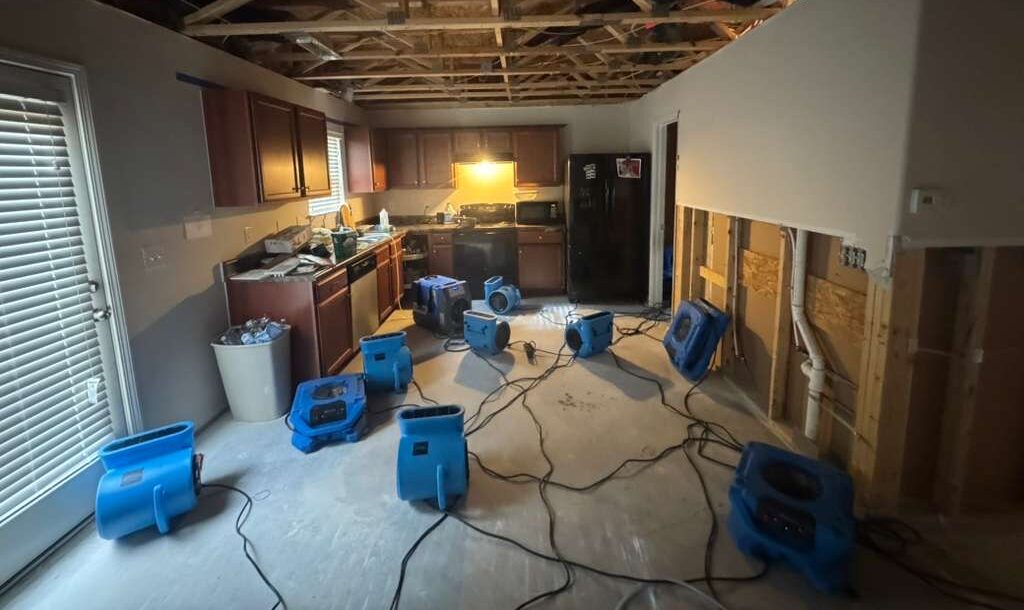
As water spreads, repair costs begin to increase. Flooring may need to be removed if it becomes saturated or starts to warp. Drywall can soften and break down, requiring replacement rather than simple drying. Cabinets, baseboards, and trim often absorb moisture and lose their shape or strength. What could have been a basic cleanup now involves demolition and reconstruction, which significantly raises the cost.
In Houston, humidity plays a major role in how expensive water damage becomes. Even after standing water is removed, high moisture levels in the air can slow down the drying process. Materials stay damp longer, which increases the risk of mold and long term damage. Without proper drying equipment, moisture can remain trapped inside walls and flooring, leading to additional repairs later that were not part of the original problem.
One of the biggest hidden costs comes from delayed action. Waiting even a day or two can push a situation from manageable to severe. Water that sits begins to break down materials and spread further into the structure. Odors can develop, and indoor air quality can decline. Once damage reaches this level, restoration becomes more complex and more expensive. What could have been handled quickly now requires more time, more labor, and more materials.
Another factor that affects cost is the type of water involved. Clean water from a broken pipe is easier to handle and usually less expensive to restore. However, if the water becomes contaminated or involves sewage, the process becomes more involved. Contaminated materials often need to be removed and disposed of, and additional cleaning and sanitation steps are required. This adds both time and cost to the restoration process.
Insurance can help, but it does not always cover everything. Many policies cover sudden and accidental water damage, such as a burst pipe or appliance failure. However, issues caused by neglect or long term leaks may not be covered. This means that waiting too long to address a problem can leave you responsible for the full cost. Understanding your policy and acting quickly can make a major difference in how much you end up paying out of pocket.
Another cost that people overlook is the impact on property value. Water damage that is not handled properly can leave behind long term issues such as odors, weakened materials, or hidden moisture. These problems can show up during inspections and make it harder to sell or refinance a property. Even if the damage seems fixed on the surface, underlying issues can still affect the overall value of the home or business.
The good news is that many of these costs can be avoided with the right approach. The first step is acting quickly. The sooner water is removed and the structure is dried, the less chance it has to spread and cause additional damage. Speed alone is not enough though. The process also needs to be thorough. Surface drying is not enough to prevent long term issues. Moisture must be removed from within materials, not just from visible areas.
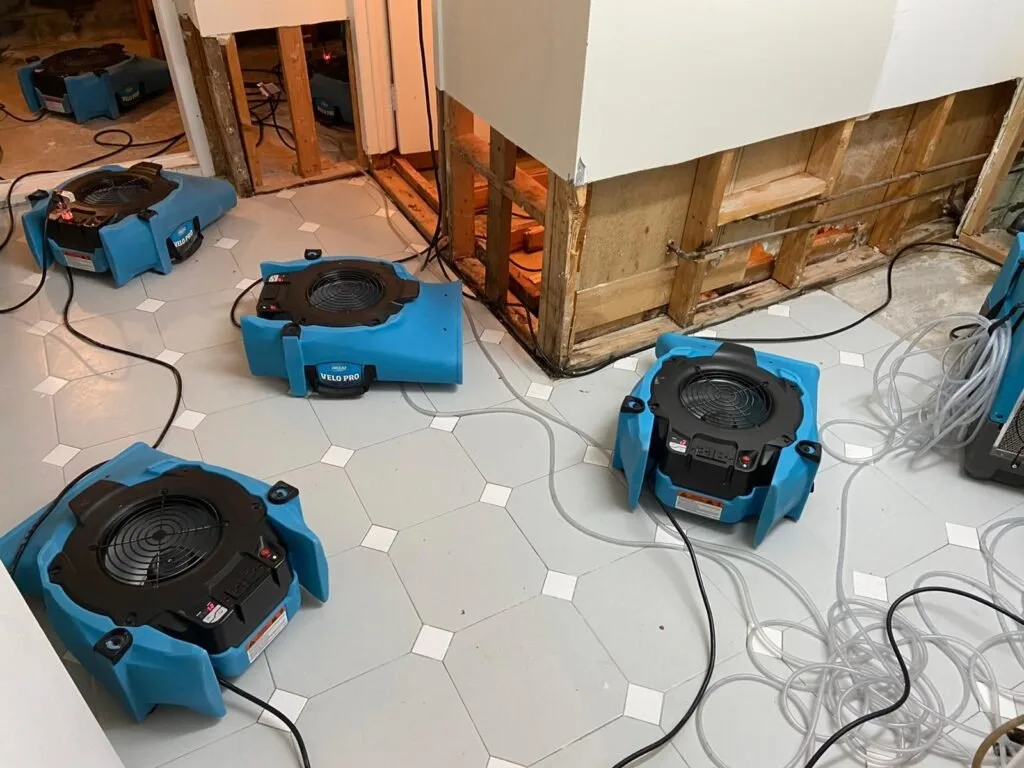
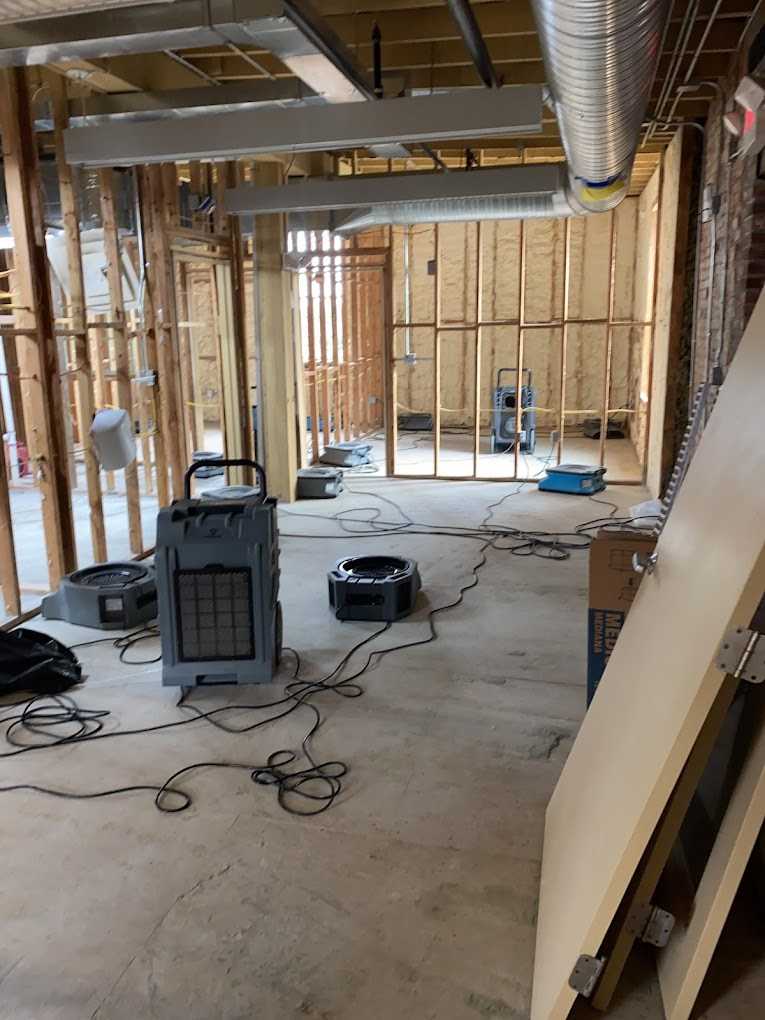
Using the right equipment is another key factor. Professional drying equipment is designed to pull moisture out of walls, flooring, and structural components. Moisture detection tools help identify hidden areas where water has spread. Without these tools, it is easy to miss pockets of moisture that can lead to mold or structural problems later. Proper monitoring ensures that the property is fully dry before the job is considered complete.
Preventative maintenance can also reduce the risk of expensive water damage. Regularly checking plumbing, appliances, and roofing can help catch small issues before they turn into major problems. In Houston, where storms can be intense, making sure drainage systems are working properly can prevent water from entering the property in the first place. These small steps can save thousands in repair costs over time.
Another way to avoid high costs is understanding when to call for help. Many homeowners try to handle water damage on their own, especially if it seems minor. The problem is that water does not stay where you can see it. Without proper drying and monitoring, moisture can remain hidden and continue to cause damage. Knowing when to bring in professional restoration services can prevent a small issue from turning into a much larger expense.
At the end of the day, the real cost of water damage in Houston, TX is not just about the initial cleanup. It is about how far the damage spreads, how long it is left untreated, and whether it is handled correctly from the start. Acting quickly, using proper methods, and making informed decisions can keep costs under control and protect your property from long term issues.
Water damage is one of those problems where doing less ends up costing more. Taking the right steps early on can make the difference between a manageable repair and a major restoration project. Understanding how these costs add up puts you in a better position to avoid them and keep your property in good condition.